International climate policy
UNFCCC negotiation tracking
Tracking international climate negotiations and translating developments across climate finance, adaptation, mitigation and related policy processes into research relevant to Pakistan.
Pakistan's First Youth-led Climate Policy Think Tank
ECOSOC-accredited
ContactLoading…
Research
ClimateWatch examines climate policy, public finance, vulnerability and international negotiations through research designed to be verified, questioned and used.

ClimateWatch research connects policy questions with evidence from institutions, communities and climate-vulnerable environments.
Research approach
ClimateWatch research begins by establishing what can be supported by primary documents, credible research and direct evidence before drawing wider policy conclusions.
Our work spans international climate negotiations, climate finance, adaptation, public policy and community-level climate vulnerability, with an emphasis on keeping the source of each claim visible.
Current work
Current workstreams follow policy processes that can shape Pakistan’s climate response while examining how those commitments connect with finance, institutions and implementation.
International climate policy
Tracking international climate negotiations and translating developments across climate finance, adaptation, mitigation and related policy processes into research relevant to Pakistan.
Climate participation
Following developments under Action for Climate Empowerment and examining how climate education, public participation, access to information and engagement are represented within international climate governance.
Public finance
Examining the relationship between climate commitments and public spending, with attention to climate-tagged expenditure, adaptation finance, budget transparency and institutional coordination.
Policy monitoring
Monitoring official press conferences and public statements during climate negotiations to document decisions, positions and developments alongside primary negotiation material.

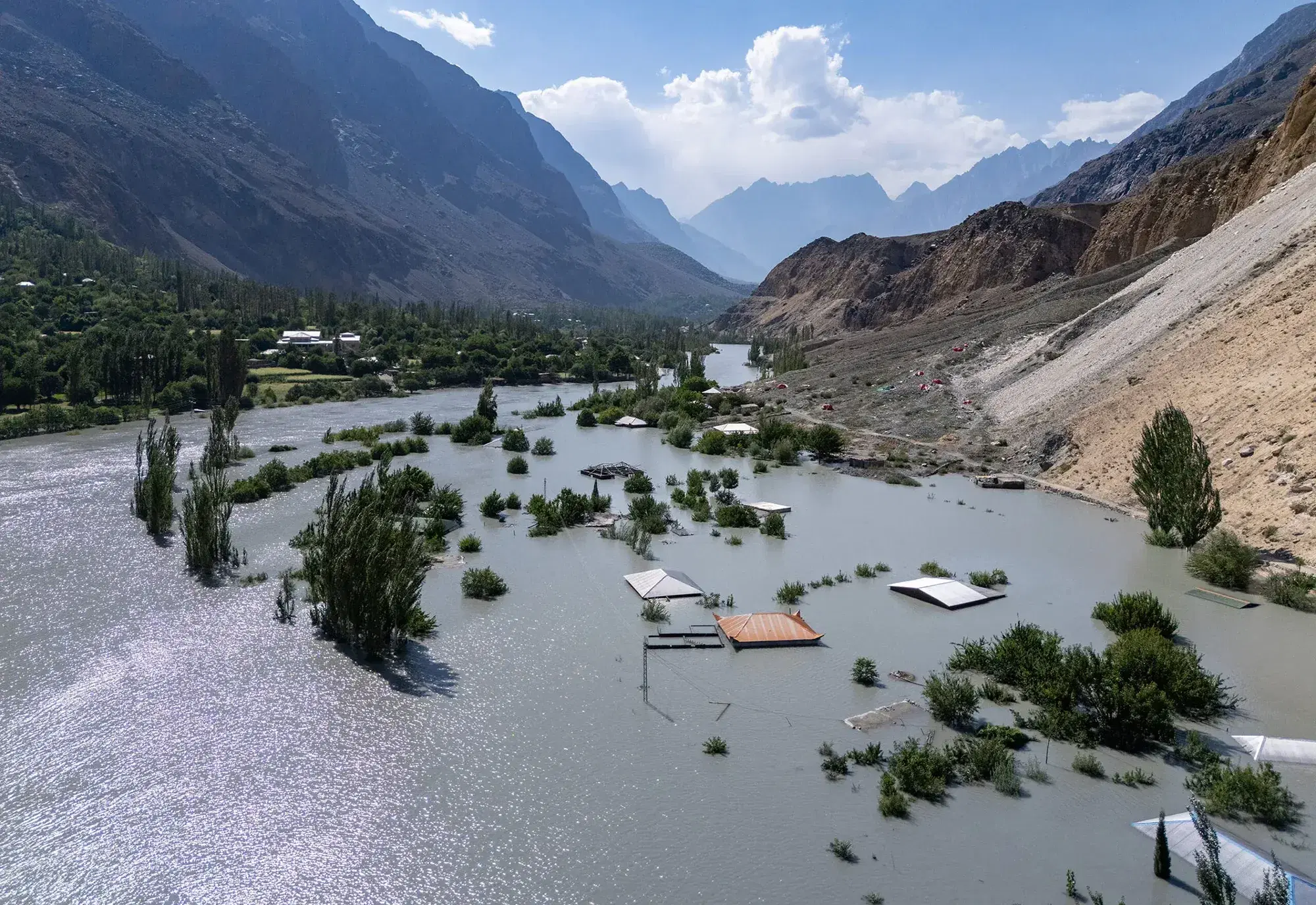
Primary evidence and field context help connect formal climate policy with conditions on the ground.
Photograph: FOCUS Pakistan
From evidence to analysis
Policy documents and international negotiations provide one part of the evidence base. Community experience, environmental conditions and primary research provide another.
Bringing those forms of evidence together helps ClimateWatch examine not only what climate policy says, but how climate vulnerability, resilience and implementation are experienced in practice.
Evidence hierarchy
Different sources serve different purposes. ClimateWatch prioritises material that can be traced back to authoritative or primary evidence.
Academic and peer-reviewed research used to establish the wider scientific and policy evidence base.
Budgets, development programmes, NDCs, legislation, official advisories, Finance Acts and other primary government material.
Research, data and official material from relevant multilateral and international institutions.
Research and policy analysis from credible domestic institutions and specialist research organisations.
Used primarily to document public reactions, quotations and decisions when the underlying primary material is not yet available.
Research standards
Claims should be connected to evidence that readers can identify and examine.
Research should distinguish what a source establishes from the conclusions drawn from it.
Figures and headline claims should not be published until the primary evidence behind them has been verified.
Climate evidence becomes more useful when institutions, budgets and decision-making processes are part of the analysis.
Research outputs