Our programsFive pillars of
Five pillars of
climate action
Each program is designed around a specific vector of climate resilience — from glaciated mountain peaks to legislative halls. All grounded in evidence, all led by communities.
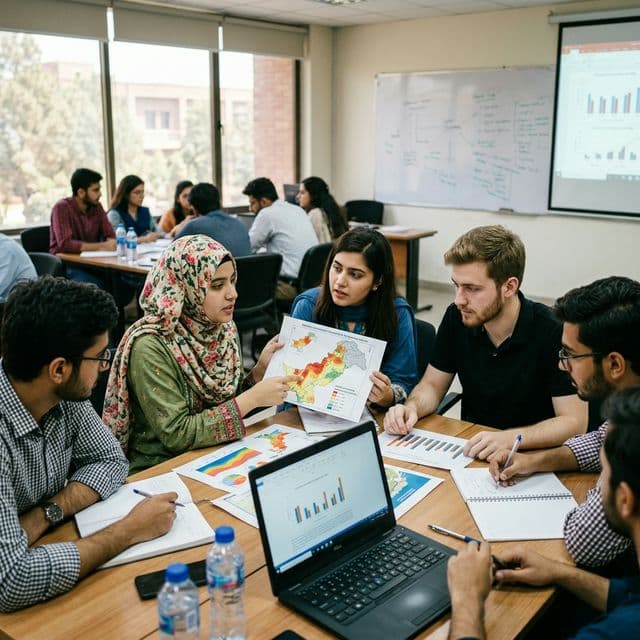
youth empowerment
Youth Empowerment
Cultivating the next generation of climate leaders.
Pakistan has one of the youngest populations in the world — yet climate literacy and institutional capacity remain major gaps in environmental governance. Our Youth Empowerment program works to build the institutional capacity of youth-led organisations to engage directly in climate policymaking. We provide technical toolkits, capacity workshops, and advocacy simulations to equip young leaders with the skills needed to represent mountain communities at provincial, national, and international tables.
11
Partner Orgs
5,000+
Youth Reached
15
Advocacy Sessions
Key Initiatives
Learn MoreYouth-Led ESD Strategy
Developing a comprehensive strategy for Education for Sustainable Development in Pakistan, drawing on Germanwatch models.
ESD Working Group
Coordinating a National Community of Practice on ESD with 11 partner organisations across Pakistan.
Policy Advocacy Briefings
Enabling youth delegations to present evidence-based recommendations to the Ministry of Federal Education.
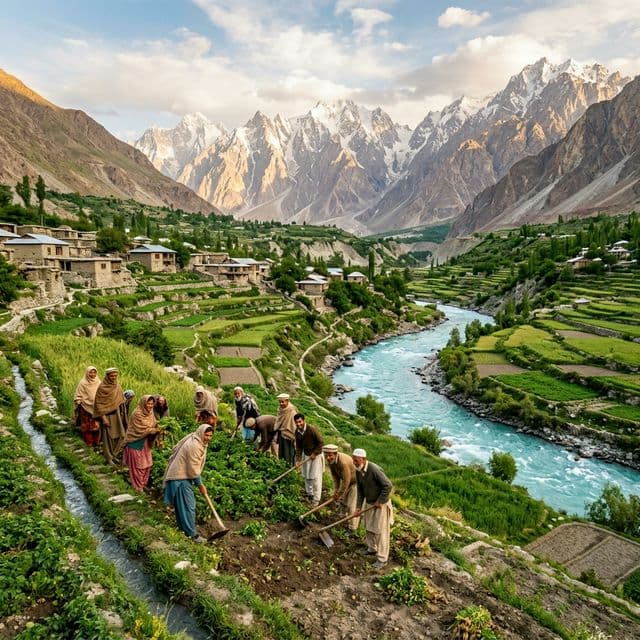
building resilience
Building Resilience
Supporting communities on the frontlines of mountain climate change.
High-altitude and alpine communities in Gilgit-Baltistan and Chitral face accelerating glacial retreat, shifting precipitation patterns, and the constant threat of GLOFs (Glacial Lake Outburst Floods). The Building Resilience program focuses on ecosystem-based adaptation strategies. We work directly with frontline residents to carry out vulnerability assessments, map local hazards, document shifting water tables, and install low-cost, community-managed early warning frameworks.
45+
Communities Partnered
18
Hazard Maps Created
12,000+
Vulnerable Res. Served
Key Initiatives
Learn MoreGLOF Vulnerability Mapping
Collaborating with community volunteers to create detailed hazard maps for mountain valleys.
Water Resource Stewardship
Assisting smallholders in managing meltwater channels (Kuhls) amidst fluctuating glacier discharge.
Local Early Warning Networks
Setting up village-level communication chains to warn down-valley settlements of GLOF events.
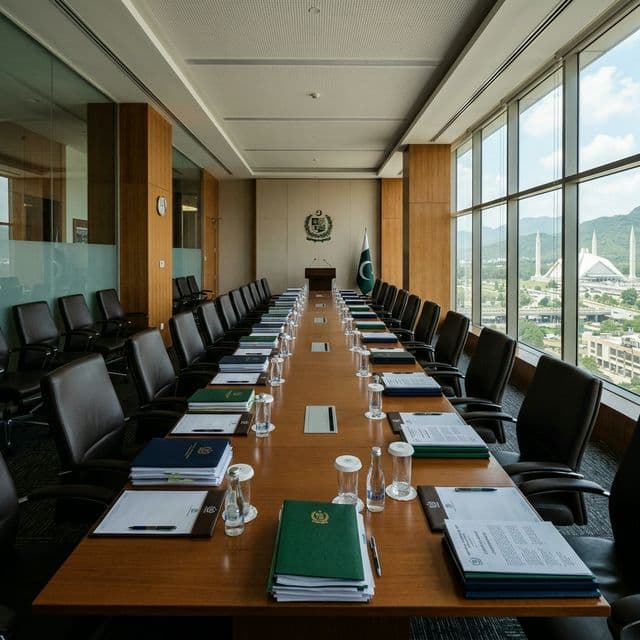
policy advocacy
Policy Advocacy
Translating mountain climate realities into legislation.
Climate policies must reflect the physical and social realities of the mountain areas they impact. Our Policy Advocacy program bridges mountain voices and national climate governance. We engage directly with federal and provincial legislatures, providing technical briefs to parliamentary committees, analyzing sub-national policy implementation gaps, and submitting official reports on Pakistan's National Adaptation Plan (NAP) and Nationally Determined Contributions (NDCs).
24
Policy Briefs Published
4
Legislative Submissions
30+
Briefed Lawmakers
Key Initiatives
Learn MorePolicy Localization Guides
Assisting Gilgit-Baltistan and Chitral authorities in aligning local development plans with national climate policy.
Parliamentary Briefings
Conducting technical briefings on mountain vulnerabilities for members of the Senate and National Assembly.
COP & UNFCCC Engagement
Representing frontline mountain agendas and youth perspectives at international climate summits.
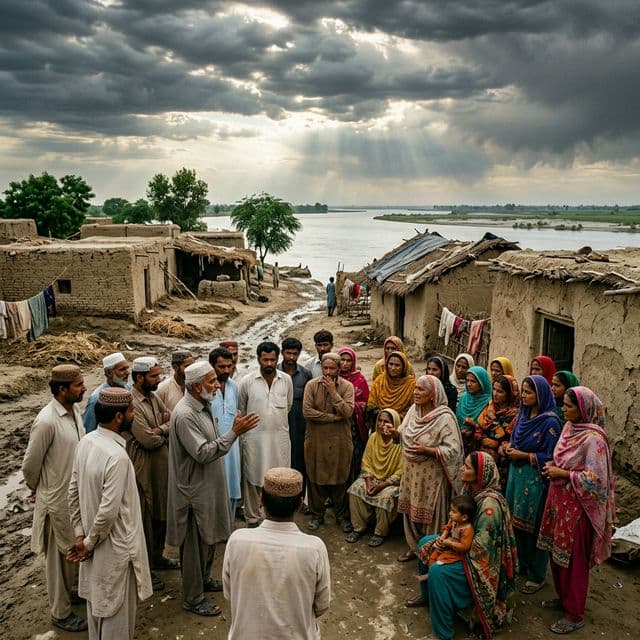
fostering innovation
Fostering Innovation
Deploying open-source tools for local climate monitoring.
Scientific climate data should be democratized and accessible. Fostering Innovation focuses on designing and deploying open-source monitoring tools, remote sensing dashboards, and mobile alert platforms tailored for isolated valleys. By bridging the gap between hardware designers, software developers, and local community leaders, we enable community-level data ownership and proactive environmental management.
6
Stations Deployed
1,200+
Alert Subscribers
12
Open Datasets
Key Initiatives
Learn MoreOpen-Source Weather Stations
Assembling and deploying low-cost, open-source micro-meteorological stations in high valleys.
Local Alert Platforms
Developing SMS-based weather alerts for areas with limited mobile data connectivity.
GIS Hazard Portals
Providing open-access interactive maps for community landslide and flood hazard tracking.

indigenous knowledge
Indigenous Knowledge
Centering traditional ecological guardianship.
Indigenous wisdom is a vital pillar of adaptation science. The Indigenous Knowledge program works to document, evaluate, and center traditional ecological practices of the Karakoram and Hindu Kush valleys. We systematically record indigenous water management systems, sustainable mountain grazing protocols, and natural risk prediction cues, integrating them with formal scientific assessments to build holistic climate action frameworks.
50+
Elder Interviews Held
8
Systems Documented
15
Youth Archive Leads
Key Initiatives
Learn MoreKuhl/Kahriz Documentation
Studying and documenting traditional community gravity-fed water channels and underground aqueducts.
Indigenous Risk Cues
Documenting seasonal weather patterns and hazard warning signs recognized by mountain elders.
Grazing Protocol Archives
Recording sustainable seasonal pasture management rules practiced by pastoralist collectives.
glacier school
Glacier School Pakistan
Glacier literacy, disaster preparedness, and Indigenous knowledge.
Pakistan holds more than 7,000 glaciers — more than any country outside the polar regions — supplying freshwater to 215 million people. Yet, government school curricula contain no glacier-specific content, and traditional ecological knowledge is vanishing. The Glacier School is a structured learning programme delivering climate and glacier literacy through existing schools, community councils, and field settings across GB and Chitral.
7,000+
Glaciers in Pakistan
215M
People Dependent
8
Districts Reached
Key Initiatives
Learn MoreMobile Wilderness Camps
5-7 day high-altitude field training camps held annually for youth near glacier sites.
School Curriculum Integration
Developing glacier science and GLOF safety modules compatible with Pakistan's Single National Curriculum.
Community Learning Sessions
Monthly risk-reduction and climate seminars facilitated by trained youth ambassadors.
Want to contribute to a program?
Whether you're a researcher, educator, community organizer, or policy analyst — there's a way to plug in.